
Shy people are less likely to get the job
Share
Walking into a room full of strangers can feel like a test you didn't study for. When you are naturally quiet, the standard advice to just "get out there" or "sell yourself" feels less like a tip and more like a mountain you aren't equipped to climb. You know you have the skills and you know you can do the work, but the process of proving that to a total stranger in thirty minutes is exhausting. It is easy to feel like the job market only has space for people who love the spotlight.
The reality is that many of the most capable people in every industry are not the loudest. They are the ones who listen, observe, and solve problems quietly. The challenge isn't that you lack what employers want. The challenge is that the traditional hiring process is built on a specific type of social performance. Learning to navigate that performance doesn't mean changing who you are. It means finding a way to let your work speak through a few focused, intentional strategies that respect your energy levels.

Confidence in communication determines who gets the best opportunities
Managing the energy of the search
When you are shy, the traditional "numbers game" of job searching is a recipe for burnout. Sending out a hundred cold messages or attending massive mixers is draining. Instead of trying to act like an extrovert, focus on high-quality, low-volume interactions. One meaningful conversation with a person in your field is worth more than fifty generic LinkedIn requests. It allows you to be yourself without the pressure of a crowd.
Think of your communication as a tool rather than a personality trait. In fields like healthcare or tech, employers aren't looking for a comedian. They are looking for someone who can pass along information accurately and work well within a small team. You don't need to be the life of the party to show an interviewer that you are reliable and clear-headed. By focusing on your ability to contribute to the task at hand, you take the pressure off your social skills and put it back on your professional capability.
Finding your people one by one
Networking doesn't have to mean standing in a lobby with a name tag. For most people, the most effective networking happens in small, quiet ways. It could be asking a former classmate how they like their new role or sending a short note to someone whose work you genuinely admire. These small connections act as a bridge. When you have a person on the inside who can vouch for your work, you don't have to shout to get noticed.
This approach builds a community that actually fits your personality. You aren't looking for a thousand contacts. You are looking for a handful of people who understand your value and can mention your name when an opportunity comes up. This "referral" system is the shy person's best friend. It lets you skip the line of hundreds of applicants and gets you a direct look from the hiring manager based on trust rather than your ability to small-talk.
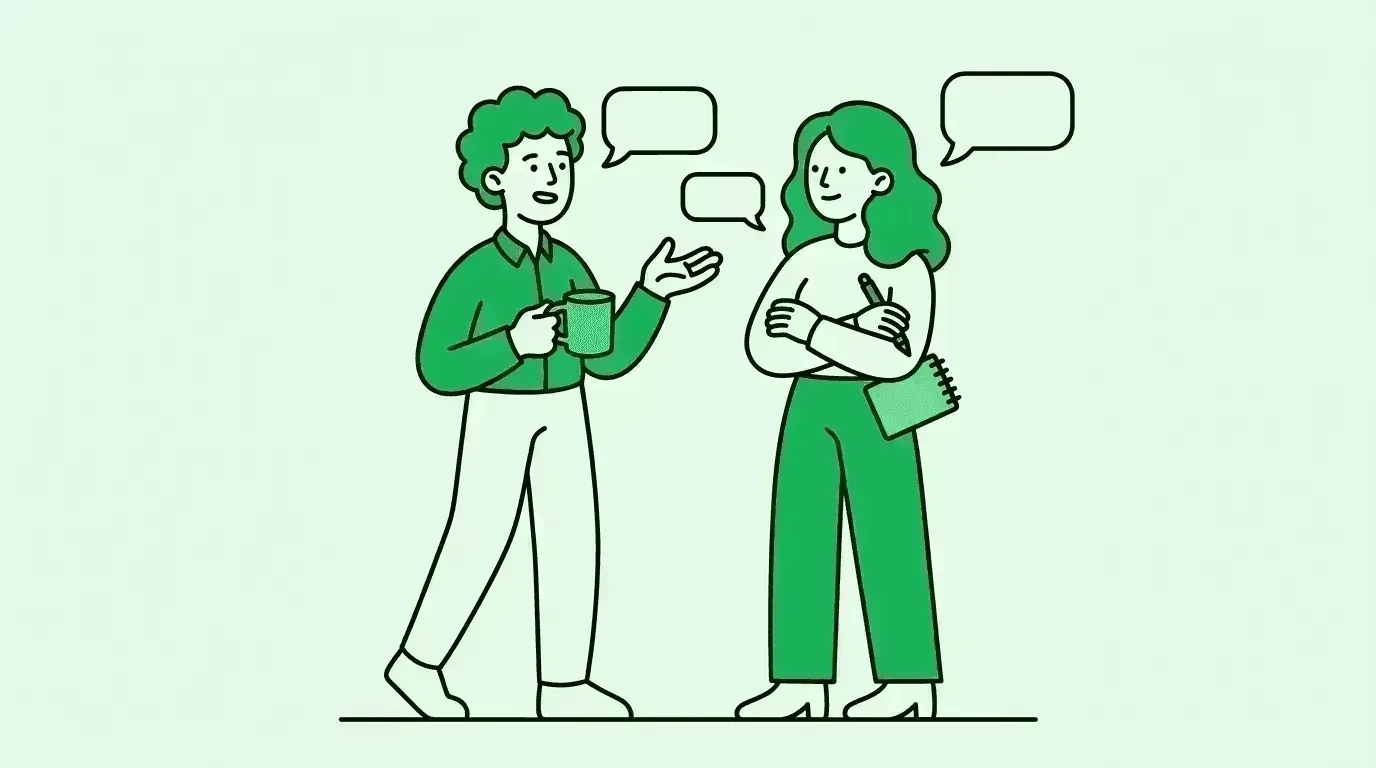
A strong network acts as insurance for your career
Letting the facts do the talking
The hardest part of an interview is often the "tell me about yourself" question. It feels like you're being asked to brag, which is the last thing a shy person wants to do. The trick is to stop thinking of it as bragging and start thinking of it as reporting. You aren't saying you're the best person in the world. You are simply stating the facts of what you have done and what you can do for the company.
Preparation is what bridges the gap between feeling awkward and feeling ready. If you have three or four specific stories about problems you solved or projects you finished, you don't have to think on your feet. You just have to share the story. When you focus on the details of the work, your nerves naturally settle because you are talking about something you actually know. Your expertise becomes the shield that protects you from the discomfort of the social interaction.
Standing up for your worth
It is a common mistake to think that being "easy to work with" means accepting the first offer an employer gives you. In reality, companies expect you to have a conversation about pay. For a shy person, this can feel like a confrontation, but it is actually just the final step of the hiring process. You have already proven you can do the job. Now, you are just making sure the numbers match the responsibility.
You don't need to be aggressive or loud to negotiate effectively. You can do it with a simple, prepared script and a focus on market data. By stating your request clearly and then letting the other person speak, you maintain control of the conversation without needing to fill the silence. This ensures you are compensated fairly for the hard work you do, which is the foundation of a sustainable career.
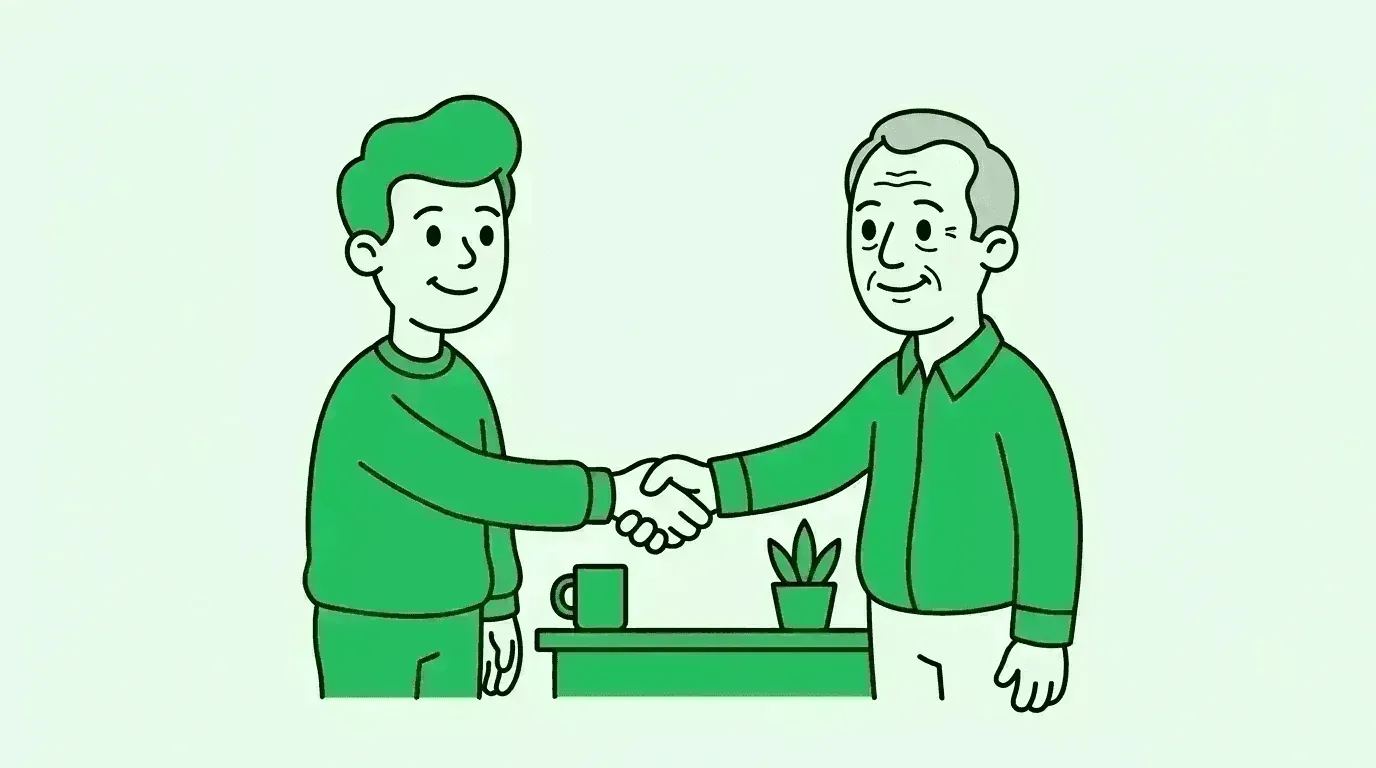
Communicating your value clearly is the key to fair pay
Moving forward with support
You don't have to navigate this journey by yourself. The transition from feeling stuck to feeling confident in your search is a path many have walked before. It starts with acknowledging that your quiet nature is a strength, not a flaw. When you combine your natural abilities with the right support system, the doors that once felt locked start to open.
At Curastem, we specialize in helping individuals find their footing in the professional world. We understand that everyone has a different starting point and a different way of connecting with others. Our goal is to provide you with the tools and the community you need to build a career that respects your personality and rewards your talent. You have the skills. We are here to help you find the place where they can shine.
Building a career is a marathon, not a sprint. By taking small, intentional steps and leaning on a support system like Curastem, you can move past the hesitation and into a role that truly fits. You deserve a professional life where you feel valued and heard. Let's work together to make that happen.
Author

Curastem