
How to get a product designer job in 2026
Share
The role of a product designer is often misunderstood as simply making apps look pretty. In reality, product designers are the architects of our digital daily lives. Imagine opening Instagram and scrolling through your feed. A product designer decided how those photos are arranged, how the heart icon reacts when you double-tap, and how the navigation feels under your thumb. They bridge the gap between human needs and technical possibility.
By 2026, the landscape of this profession has shifted significantly. It is no longer enough to just deliver static mockups or wireframes. The industry now demands professionals who can think like engineers and build like creators. This evolution has opened new doors, particularly for those from first-generation and low-income backgrounds who bring unique problem-solving perspectives to the table.
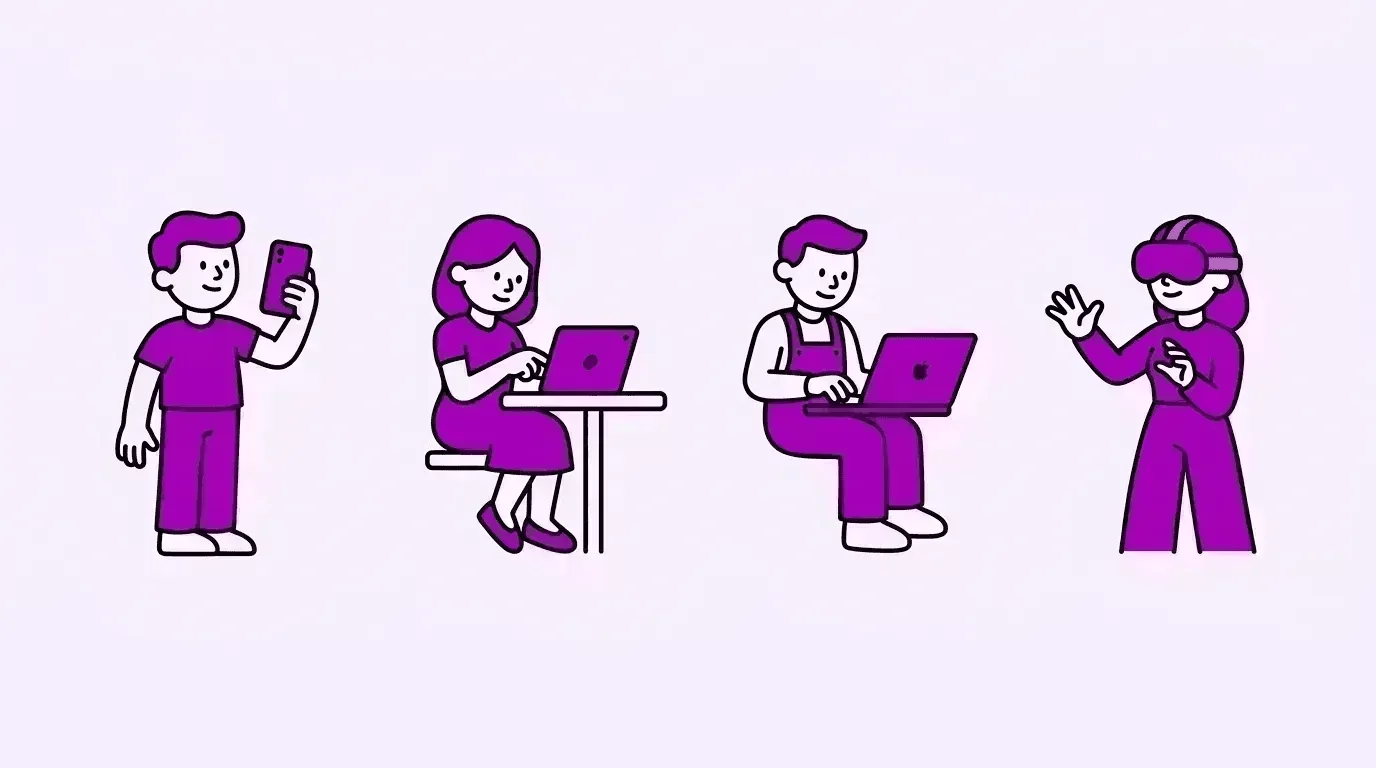
Product designers build the digital world we live in every day.
What a product designer actually does
A product designer is responsible for the entire journey of a feature or an app. This involves researching user pain points, sketching solutions, and testing prototypes. They work at the intersection of user experience and business goals. If a user finds an app frustrating, the product designer identifies why and creates a path to fix it.
In the past, designers often handed off their work to developers and moved on to the next project. Today, the role is much more integrated. Product designers stay involved through the entire lifecycle of the product. They ensure that the final build matches the original intent and functions perfectly for the end user.
The shift toward design engineering and vibe coding
The most significant change in 2026 is the rise of design engineering. With the integration of AI, the barrier between design and code has blurred. Product designers are now expected to produce production-ready work. This doesn't mean every designer must be a senior software engineer, but they must understand the logic of the systems they are designing.
A new concept called vibe coding has emerged in the industry. This refers to using high-level AI tools like Cursor to generate functional code based on the designer's intent and aesthetic direction. Instead of manually writing every line of CSS, designers use AI to translate their visual "vibe" into working components. This allows for faster iteration and more complex animations that were previously difficult to prototype. Notably, Cursor offers a free year for university students, making it accessible for those starting their journey.
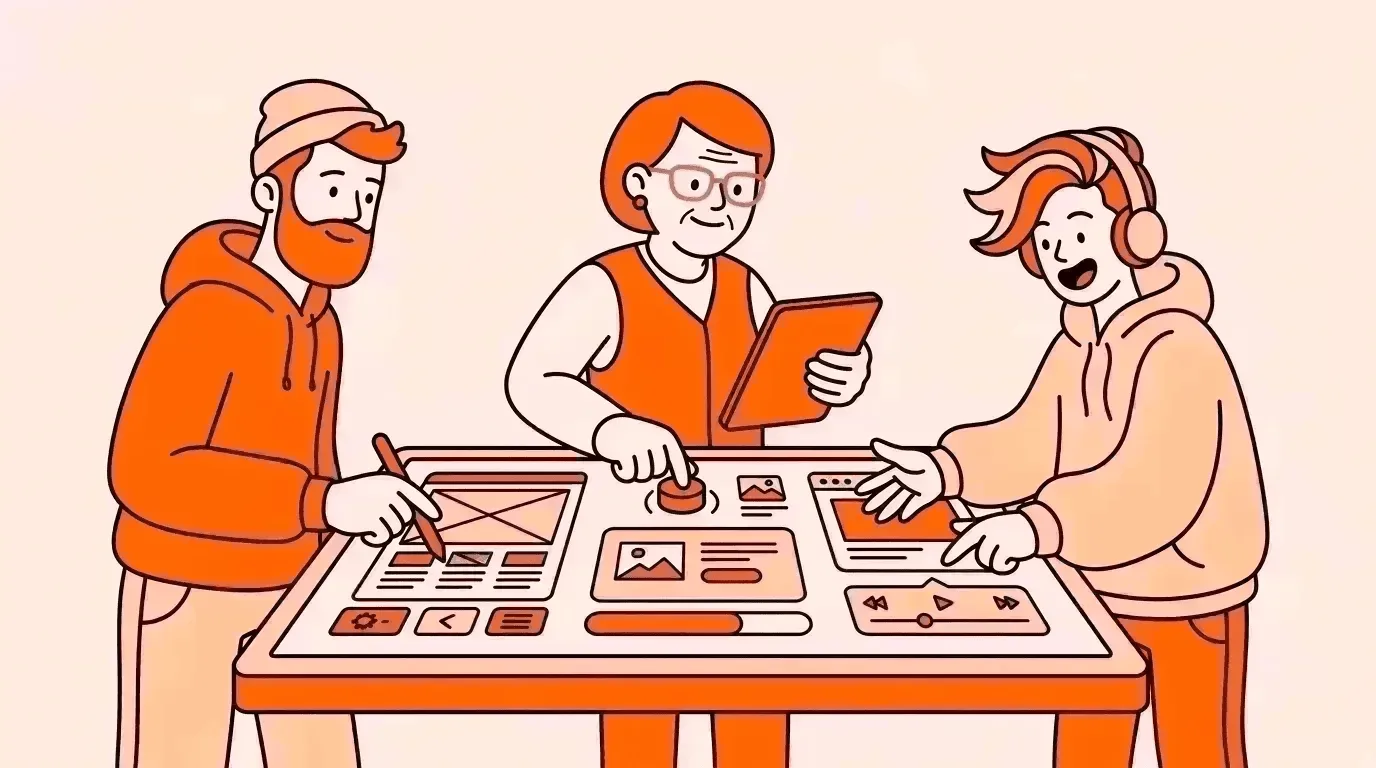
Modern design requires building functional products rather than just drawing pictures.
Breaking in from first-generation backgrounds
For individuals from low-income or first-generation backgrounds, the path to product design has historically felt gatekept by expensive bootcamps and elite degrees. However, the shift toward production-ready design has leveled the playing field. Companies are increasingly looking for "product builders" who can show functional work rather than just a polished portfolio of images.
Community-based learning has become a powerful alternative to traditional education. Many successful designers now start by contributing to open-source projects or joining design collectives. These environments provide the mentorship and networking opportunities that are often missing for those without existing industry connections. Showing that you can solve real problems with limited resources is a major competitive advantage.
Essential resources for the journey
To start, focus on mastering the basics of visual hierarchy and user psychology. Platforms like Figma offer extensive tutorials that cover the technical side of the craft and provide a free year of professional features for university students. For the engineering side, learning the fundamentals of React or Tailwind CSS will help you understand how your designs translate to the web. These skills are essential for the "design engineering" expectations of 2026.
Reading case studies from companies like Airbnb or Stripe can provide insight into how professional teams solve complex problems. Additionally, following "build in public" creators on social media can demystify the process of taking an idea from a sketch to a functional app. These resources are often free and provide more up-to-date information than static textbooks.
Resilience and practical skills matter more than expensive design degrees.
How AI has changed the daily workflow
AI has moved from being a novelty to a core part of the designer's toolkit. It handles repetitive tasks like resizing assets, generating placeholder text, and creating basic layouts. This frees up the designer to focus on high-level strategy and complex user flows. The role has shifted from "pixel pusher" to "product strategist."
Designers now spend more time defining the "why" behind a product. They use AI to quickly explore dozens of variations of a single idea, then use their human judgment to select the best path forward. This requires a deep understanding of user needs and the ability to prompt AI tools effectively to get high-quality results.
Tips for landing your first role
Your portfolio should focus on outcomes rather than just visuals. Instead of just showing a finished app, show the messy middle. Document the problems you encountered and how you used data or feedback to pivot. Employers in 2026 want to see your thinking process and your ability to use modern tools to build real solutions.
Networking is still vital, but it has become more digital and informal. Engage with the design community on platforms where people share their work-in-progress. Ask for feedback on specific components rather than just general "coffee chats." Building in public shows that you are active, curious, and capable of handling the fast-paced nature of the industry.
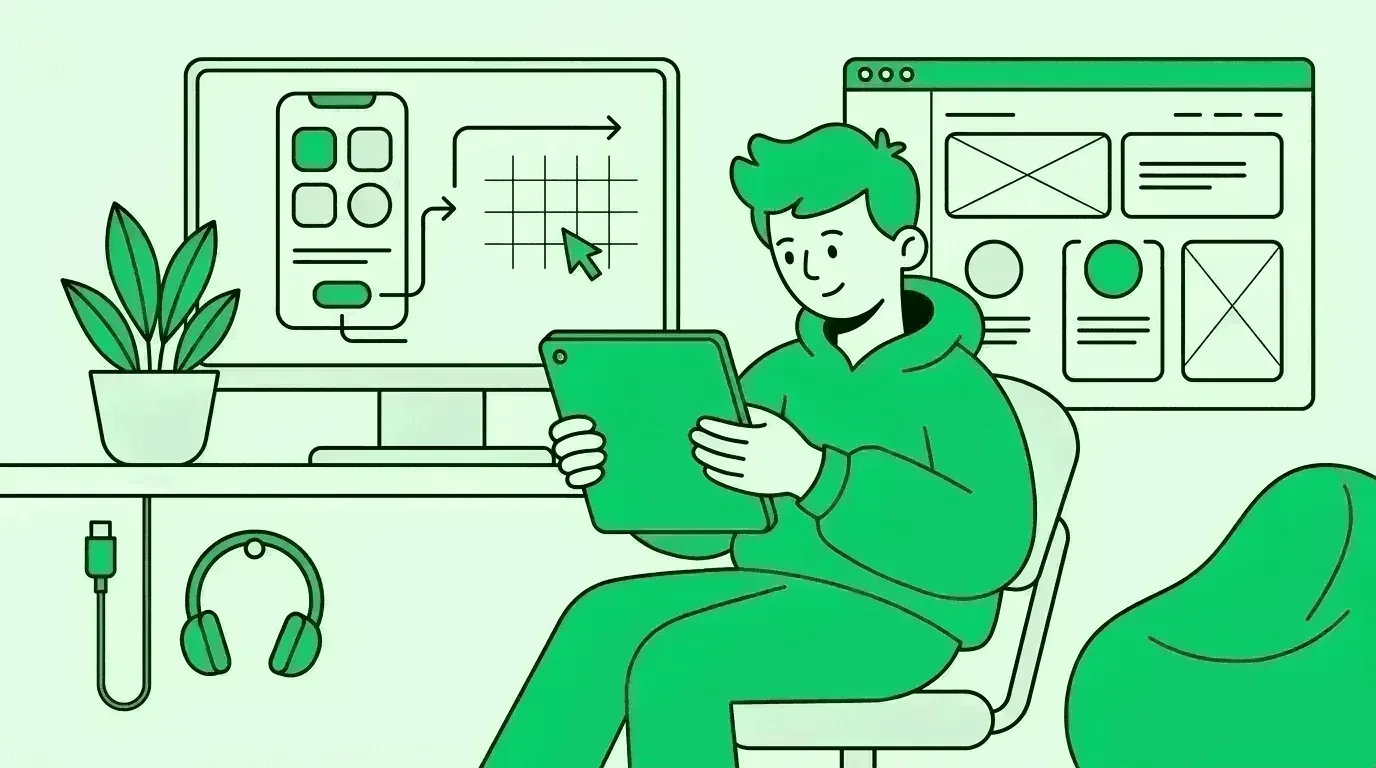
A great portfolio shows how you think and how you build.
The future of product building
As we look toward the future, the distinction between design and development will continue to fade. The most successful product designers will be those who embrace the "builder" mindset. They will be comfortable jumping between a design tool and a code editor, using AI to bridge the gaps in their technical knowledge.
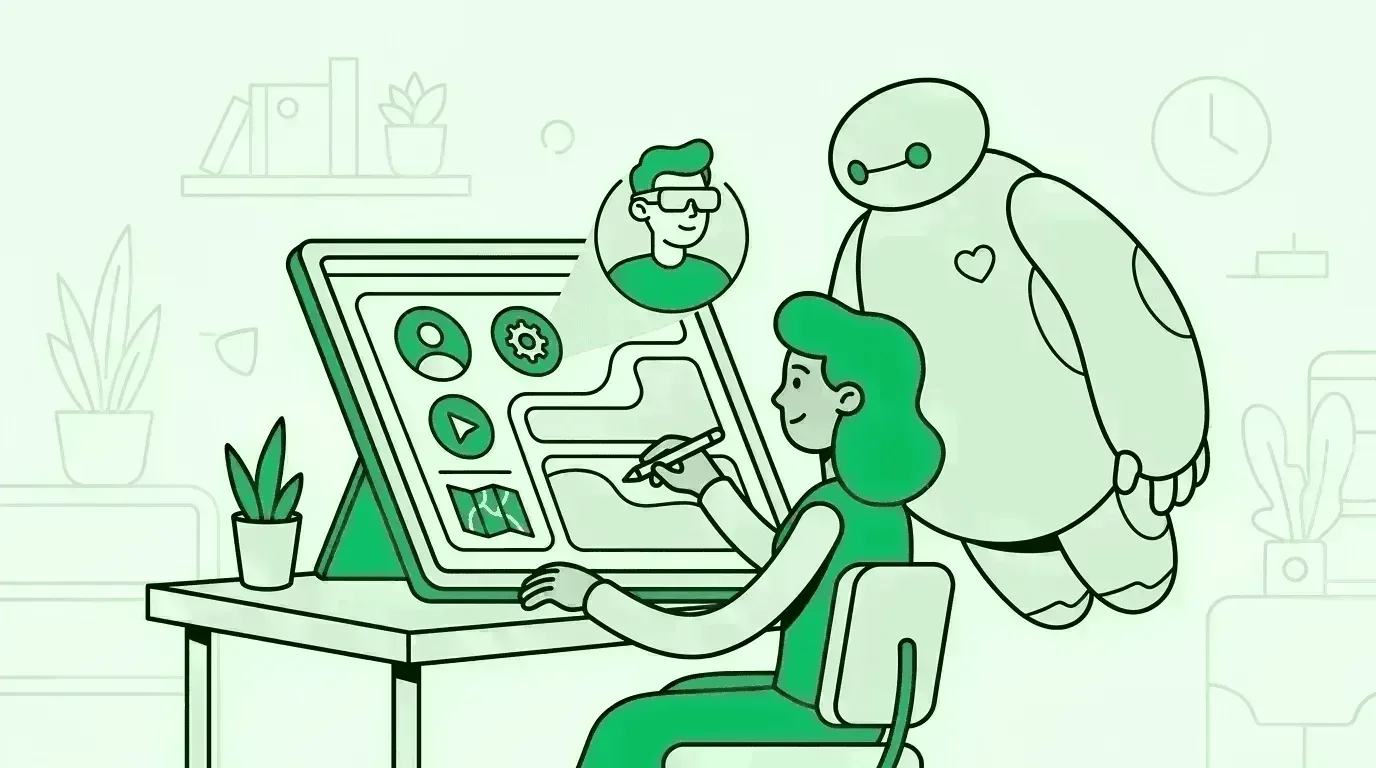
The best way to predict the future is to design it yourself.
By embracing the shift toward design engineering and utilizing free resources, you can position yourself as a top candidate in the 2026 job market. The journey might be challenging, but the ability to create products that millions of people use is an incredibly rewarding outcome. Focus on the craft, stay updated with the latest AI tools, and keep your user at the center of everything you do.
The evolution of the role means that your unique background and perspective are more valuable than ever. Diverse perspectives lead to better products that serve a wider range of people. As you enter the field, remember that your voice is a critical part of the design process. The future of product design belongs to the builders.
Author

Curastem